
Introduction:
In a significant development, Ruchi Soya, a prominent player in India’s edible oil manufacturing industry, has undergone a name change and will now be known as Patanjali Foods. This decision, which has received approval from the company’s board of directors, marks a strategic shift in brand identity and market positioning. The announcement has generated substantial interest, resulting in a surge in the company’s stock. In this article, we will delve into the reasons behind this name change, analyze its potential implications for Patanjali Foods, and address some frequently asked questions regarding this noteworthy corporate decision.
Body:
The Motivation Behind The Name Change:
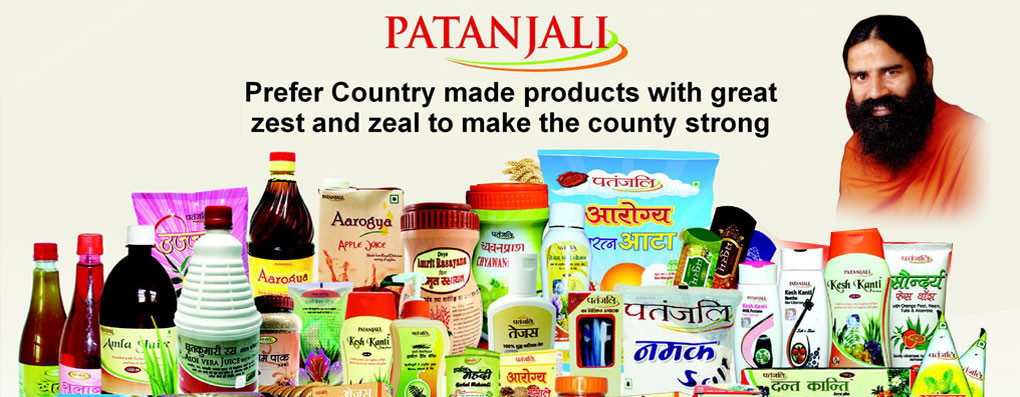
The decision to rename Ruchi Soya as Patanjali Foods stems from Patanjali’s vision of creating a comprehensive brand that aligns with its core principles of Ayurveda and natural health. Patanjali, founded by Baba Ramdev and Acharya Balkrishna, has gained considerable prominence in recent years due to its wide range of Ayurvedic products, including herbal supplements, personal care items, and food products. By incorporating the Patanjali name into its edible oil business, the company aims to leverage its established brand equity and tap into the growing market of health-conscious consumers.
Potential Implications For Patanjali Foods:
- Strengthened Brand Recognition: By rebranding Ruchi Soya as Patanjali Foods, the company can capitalize on the strong brand recognition and trust associated with the Patanjali name. This move is expected to boost sales and market share, as consumers are more inclined to choose products from a brand they already trust and recognize.
- Synergistic Marketing Opportunities: The integration of Ruchi Soya into the Patanjali brand opens up new marketing avenues for the company. Patanjali Foods can now leverage the extensive marketing network established by Patanjali, enabling cross-promotion of products and expanding its reach to target customers more effectively.
- Reinforcement of Ayurvedic Credentials: Patanjali’s commitment to Ayurveda has been instrumental in its success. By incorporating Ruchi Soya’s edible oil products under the Patanjali Foods umbrella, the company strengthens its Ayurvedic credentials, appealing to health-conscious consumers who prioritize natural and organic options.
Investor Response And Stock Surge:
The announcement of Ruchi Soya’s renaming as Patanjali Foods has received a positive response from investors. The stock experienced a surge shortly after the news broke, indicating investor confidence in the company’s strategic direction. The rebranding is seen as a step towards consolidation and synergy within the Patanjali group, which could lead to increased profitability and enhanced competitiveness in the market.
Conclusion:
The decision to rebrand Ruchi Soya as Patanjali Foods signifies a significant strategic move by the company. By aligning its edible oil business with the well-established Patanjali brand, the company aims to leverage its Ayurvedic identity and tap into the burgeoning market of health-conscious consumers. The renaming offers an opportunity for Patanjali Foods to enhance brand recognition, explore synergistic marketing strategies, and strengthen its position as a trusted provider of Ayurvedic food products. With investor response indicating optimism, it will be fascinating to observe how Patanjali Foods capitalizes on this rebranding decision to drive future growth and success.
FAQs:
- Will the rebranding affect the quality of Patanjali Foods’ edible oil products?
No, the rebranding of Ruchi Soya as Patanjali Foods will not impact the quality of the edible oil products. The company remains committed to maintaining the highest standards of production processes and quality control measures, ensuring that consumers continue to receive products of superior quality.
- How will the name change impact existing customers of Ruchi Soya’s edible oil products?
Existing customers of Ruchi Soya’s edible oil products need not worry. The name change to Patanjali Foods does not alter the composition, formulation, or quality of the products they are familiar with. The transition will primarily involve a change in packaging and branding, while the core attributes and quality of the products will remain consistent
