
Introduction:
The Ten-Year Treasury, also known as the 10-year Treasury Note, is a critical component of the United States government’s borrowing strategy. It plays a significant role in shaping the nation’s economy and influencing financial markets worldwide. This article aims to delve into the intricacies of the Ten-Year Treasury, its importance, and the impact it has had over the past decade.
Understanding The Ten-Year Treasury:
The Ten-Year Treasury is a debt security issued by the U.S. Department of the Treasury, representing the federal government’s promise to pay back the borrowed funds along with periodic interest payments. It has a maturity period of ten years, making it a long-term investment vehicle. This fixed-income security is highly regarded for its relatively low risk and stability, making it an attractive option for investors seeking a safe haven for their funds.
The Role Of The Ten-Year Treasury In The Economy:
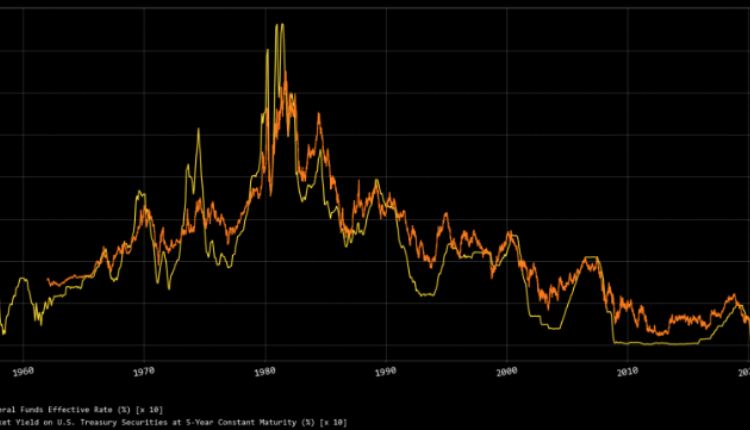
The yields on the Ten-Year Treasury are closely monitored by economists, policymakers, and investors because they serve as a benchmark for various financial activities. The interest rates on other loans, such as mortgages and corporate bonds, are often influenced by movements in the Ten-Year Treasury yields. When yields rise, borrowing costs increase, potentially slowing down economic activity. Conversely, when yields decline, borrowing becomes cheaper, promoting economic growth.
The Impact Of The Ten-Year Treasury On Financial Markets:
The Ten-Year Treasury’s yields directly affect the performance of other financial assets, including stocks, commodities, and currencies. As the yields rise, investors may shift their focus from riskier assets like stocks to the relatively safer Treasury bonds, causing stock market corrections. Conversely, when yields fall, equities tend to experience a boost as investors search for higher returns. Understanding these relationships is crucial for investors and financial professionals to make informed decisions in a rapidly changing market environment.
Factors Influencing Ten-Year Treasury Yields:
Several factors influence the yields on the Ten-Year Treasury, including monetary policy decisions by the Federal Reserve, inflation expectations, economic indicators, and geopolitical events. Central bank actions, such as interest rate hikes or cuts, have a direct impact on Treasury yields. Moreover, investors closely analyze economic indicators like GDP growth, employment data, and consumer price index (CPI) to gauge the overall health of the economy, which, in turn, influences demand for Treasuries.
The Ten-Year Treasury’s Performance Over The Decade:
Analyzing the performance of the Ten-Year Treasury over the past decade, we witness several notable trends. The period of quantitative easing in the aftermath of the 2008 financial crisis significantly impacted yields. As the economy recovered, the Federal Reserve began tapering its bond-buying programs, leading to an eventual increase in yields. Furthermore, geopolitical events, such as the U.S.-China trade war and Brexit, created uncertainty in global markets, driving investors toward safer assets like Treasuries.
Conclusion:
Over the past decade, the Ten-Year Treasury has played a vital role in stabilizing the U.S. economy and influencing global financial markets. Its significance as a benchmark for interest rates and safe haven status has made it an indispensable tool for investors, policymakers, and economists. Understanding the dynamics behind its yields and its relationship with various economic indicators can provide valuable insights for navigating the ever-changing financial landscape.
FAQs:
- Why is the Ten-Year Treasury considered a safe investment? The Ten-Year Treasury is considered a safe investment because it is backed by the U.S. government, which is considered one of the most creditworthy entities in the world. The government has a stable source of revenue through taxation, enabling it to fulfill its debt obligations. Additionally, the ten-year maturity period offers investors a degree of certainty and stability, especially during times of market volatility.
How do changes in Ten-Year Treasury yields impact everyday consumers? Changes in Ten-Year Treasury yields can impact everyday consumers in several ways. When yields rise, borrowing costs for mortgages, auto loans, and other types of credit also increase, making it more expensive for consumers to finance major purchases. Conversely, when yields fall, consumers may benefit from lower interest rates on their loans, making it more affordable to borrow and spend, which can stimulate economic activity. However, changes in yields also affect savings accounts and other fixed-income investments, potentially impacting consumers’ overall financial planning and investment strategies
