
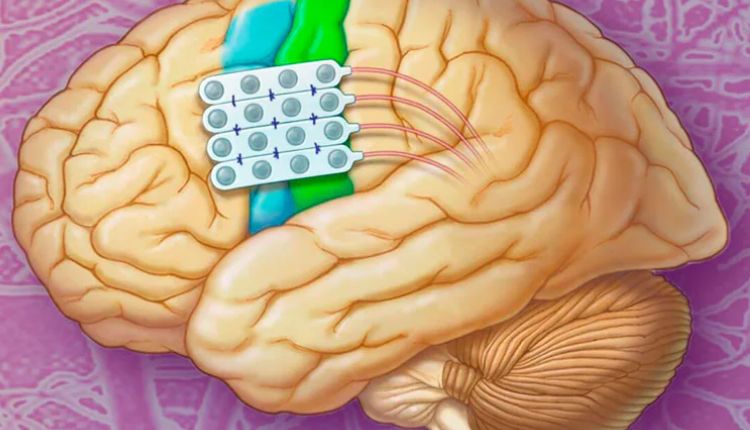
Neurological health in children requires careful attention, early diagnosis, and continuous medical support to ensure healthy brain development. Conditions such as seizures, developmental delays, and nerve disorders can significantly impact a child’s growth and learning abilities if not managed properly. Consulting a paediatric neurologist helps in identifying these concerns early and initiating the right treatment approach. Specialized care ensures that children receive accurate diagnosis, timely intervention, and long-term neurological support tailored to their developmental needs.
Understanding Pediatric Neurological Conditions
Childhood neurological disorders affect the brain, spinal cord, and nervous system, influencing movement, behavior, and cognitive development. These conditions can vary in severity, ranging from mild developmental delays to complex seizure disorders that require ongoing medical care.
- Seizure Disorders in Children
Seizures occur due to sudden electrical disturbances in the brain. They may present as brief staring spells, uncontrolled movements, or loss of awareness. Early diagnosis helps in controlling episodes and preventing long-term complications. - Developmental Brain Conditions
Some children experience delays in speech, motor skills, or cognitive development due to neurological imbalances. Timely medical intervention can significantly improve developmental outcomes and learning abilities. - Nerve and Muscle Coordination Issues
Neurological conditions may also affect muscle tone and coordination. This can lead to difficulties in walking, balance, or fine motor skills, requiring structured therapy and medical support. - Genetic and Congenital Disorders
Certain neurological conditions are present from birth due to genetic factors. Early screening helps in identifying these conditions and starting supportive care at the right stage.
Importance of Early Neurological Diagnosis
Early detection plays a crucial role in managing brain-related conditions in children. Identifying symptoms at an early stage allows doctors to design personalized treatment plans that support better long-term outcomes.
A paediatric neurologist evaluates neurological symptoms through clinical examinations, imaging tests, and developmental assessments to ensure accurate diagnosis and effective treatment planning.
- Clinical Neurological Assessment
Doctors observe reflexes, muscle strength, coordination, and cognitive responses to understand the child’s neurological condition in detail. - Brain Imaging and Testing
MRI scans, EEG tests, and other diagnostic tools help identify abnormalities in brain structure or electrical activity. - Developmental Screening
Regular monitoring of speech, behavior, and motor skills helps track developmental progress and detect early delays. - Family Medical History Review
Understanding genetic and family history assists in identifying inherited neurological conditions that may require early intervention.
Role of Specialized Pediatric Neurology Care
Specialized care ensures that children with neurological conditions receive targeted treatment based on their specific needs. A trained neuro pediatrician focuses on both diagnosis and long-term management of brain and nerve disorders in children.
- Personalized Treatment Plans
Each child receives an individualized care plan that may include medication, therapy, or lifestyle adjustments depending on the condition. - Seizure Management Strategies
Treatment focuses on reducing seizure frequency and improving quality of life through carefully monitored medication and follow-ups. - Therapeutic Rehabilitation Support
Occupational, physical, and speech therapy play an important role in improving motor skills and communication abilities. - Continuous Monitoring and Follow-Up
Regular check-ups ensure that treatment is effective and adjusted based on the child’s progress and response.
Managing Complex Neurological Conditions
Some neurological conditions require long-term medical attention and coordinated care from multiple specialists. These cases benefit from a multidisciplinary approach to ensure comprehensive treatment.
- Chronic Seizure Management
Children with recurring seizures need continuous monitoring and medication adjustments to maintain stability and reduce episode frequency. - Neurodevelopmental Disorders
Conditions such as autism spectrum disorders or cerebral palsy require early intervention and structured therapy programs for better development. - Cognitive and Learning Challenges
Neurological conditions may affect learning abilities, requiring educational support and behavioral therapy. - Coordination with Other Specialties
In complex cases, neurological care may overlap with other specialties, including pediatric oncology, especially when neurological symptoms arise due to underlying medical conditions requiring integrated care.
Supportive Care and Long-Term Development
Neurological care is not limited to treatment alone; it also involves supporting a child’s emotional, physical, and cognitive development over time.
- Parental Guidance and Education
Parents are educated about symptom management, medication schedules, and emergency response techniques. - Behavioral and Emotional Support
Children with neurological conditions may experience emotional challenges, requiring counseling and supportive care. - School and Learning Assistance
Specialized guidance helps children adapt to academic environments and improve learning outcomes. - Lifestyle and Health Monitoring
Healthy routines, nutrition, and physical activity support overall brain development and well-being.
Advancements in Pediatric Neurology Care
Modern medicine has significantly improved the diagnosis and treatment of neurological conditions in children. Advanced technology and research have made care more precise and effective.
- Improved Diagnostic Tools
Advanced imaging and monitoring systems allow early detection of brain abnormalities. - Better Medication Options
New-generation medications help control seizures with fewer side effects. - Minimally Invasive Procedures
In selected cases, surgical interventions are safer and more effective than ever before. - Integrated Care Systems
Coordinated healthcare ensures that all aspects of a child’s condition are addressed under one treatment plan.
Conclusion
Child neurology care plays a vital role in ensuring healthy brain development and managing complex neurological conditions effectively. Early diagnosis, specialized treatment, and continuous monitoring help children achieve better developmental and cognitive outcomes. Families seeking comprehensive neurological care often rely on advanced healthcare institutions that provide multidisciplinary support and pediatric expertise.
Those who are looking for trusted, advanced, and child-focused neurological care for their little ones can consider Ankura Hospital, known for its dedicated pediatric and neurological services. The hospital offers advanced diagnostic facilities, experienced specialists, and a compassionate, child-centric approach to treatment. Along with neurological care, it also provides integrated services in areas such as pediatric oncology, ensuring children receive complete and coordinated medical support under one trusted healthcare system.
