
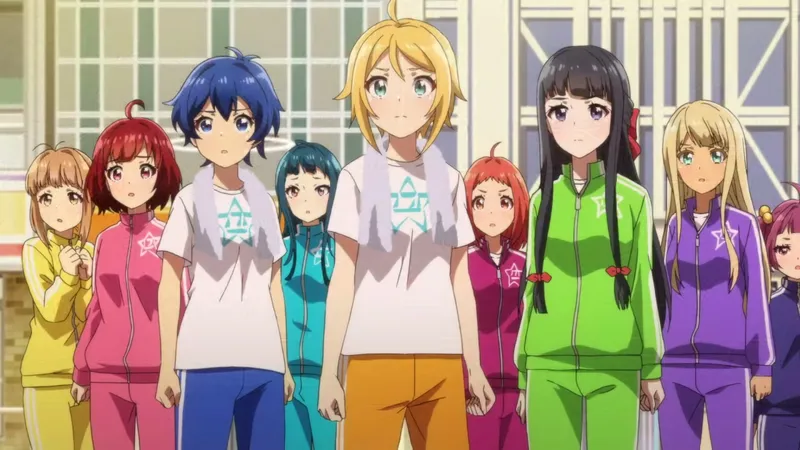
The meaning of Anime could be depicted as animation beginning in Japan. It can mean various things relying upon its setting; however, this is normally acknowledged in English talking nations.
It is both hands. They are drawn and PC-created and have been around since around 1917. The well-known adaptation we know about today started to begin in the mid-nineteen sixties. It started to extend beyond Japan in the mid nineteen eighties. Anime wall scrolls and its cousin manga have exponentially filled in fame in the United States and different nations.
Among the significant artists associated with this art were Osamu Tezuka, Shotaro Ishinomori, and Leiji Matsumoto. These three men were subsequently cherished in the manga market. During the 1950s, impacted by the media that came from the West, many artists and studios started to foster tasks for trial animation.
In Japan, the term isn’t expected to characterize an animation’s nation of start; all things considered, a nonexclusive time is utilized to allude to all types of energy from all nations. The term gets from a condensing of the word animation.
Although cartoons from different countries that operate Japan’s well-known style are generally alluded to as “anime-affected animation,” it is average for the uninformed watcher to indicate these series as Japanimation.
Peoples who are not Japanese could allude to the nation’s animation as “Japanimation”; however, this expression is no longer used.”Japanimation” was utilized the most during the seventies and eighties, yet the word “anime” supplanted it at last. Since the term doesn’t recognize the cartoons beginning in Japanese utilization, “Japanimation” is utilized to acknowledge Japanese work from different nations.
The Japanese expression manga may allude either to comic books or animation. However, English speakers imply “manga” as Japanese comics… The expression “ani-manga” is regularly used to indicate comic books created from animation cells.
Even though different series and various artists have their particular styles, many of the components have become so normal that most depict them as the average of the art overall. This doesn’t mean, however, anyway that every one of the cartoons will have a similar artistic style. On the contrary, many will have a very different style from what might ordinarily be designated “anime style,” yet peoples utilize the term to allude to these titles. For example, the most normal anime elements could incorporate misrepresented highlights like enormous eyes, excessive hair, and lopsided appendages… formed discourse air pockets or speed lines.
When that Manga was the ruler of media conceived the trailblazer anime of accomplishment: Hakujaden (The Legend of White Snake) debuted on October 22, 1958. The principal creation was delivered in a business circuit of Toei Animation, the animation division of Toei Company and Manga Calendar. Particularly the central Anime made for TV, broadcast by TBS with studio creation Otogi on June 25, 1962, which endured two years.
Before long, on January 1, 1963, Astro Boy was delivered, in light of the Manga by Osamu Tezuka, similarly to the stylish person with large eyes and spiky hair coming from the printed form. Astro Boy ultimately turned into a starter for the biggest business in the realm of animation, winning the U.S. public.
Tezuka was an icon in Japan, and his fame gave him cash to put resources into their creation organization, Mushi Productions. Different makers have put resources into this new industry and conceived Anime wall scrolls works of art like Eight-Man, Super Dynamo (Paa Man), yet at the same time unstable and with few assets, in contrast to American animations.
In 1967, four movies and fourteen animated series in Japan, including The Princess Knight, Fantomas, and Speed Racer, were the first with significant global projection.
Anime with youngsters, young ladies, youngsters, and monster robots stayed up with the quantity of week-by-week series during the 1970s. At that point, Tatsunoko Production, the makers of Speed Racer, sent off a title of progress called Gatchaman (in the West, Battle of the Planets).
The greatest element in anime openness outside Japan has been because of the web… Before the nineties, the art structure had almost no vulnerability past the boundaries of its home. However, as the prominence of the Internet developed, so too did the interest in it. A considerable lot of the fans grew to cherish the art structure through the Internet. Web promoting pay set from 1.6 billion yen to north of 180 billion yen between 95 and 2,000 five.
