
The Art of Repetition Without Chaos
Imagine an artist painting a landscape. Each brushstroke must bring the same result, no matter how many times it’s applied. In the world of DevOps, this artistic precision is mirrored by the concept of idempotence—the assurance that running an automation script multiple times will always yield the same, stable outcome.
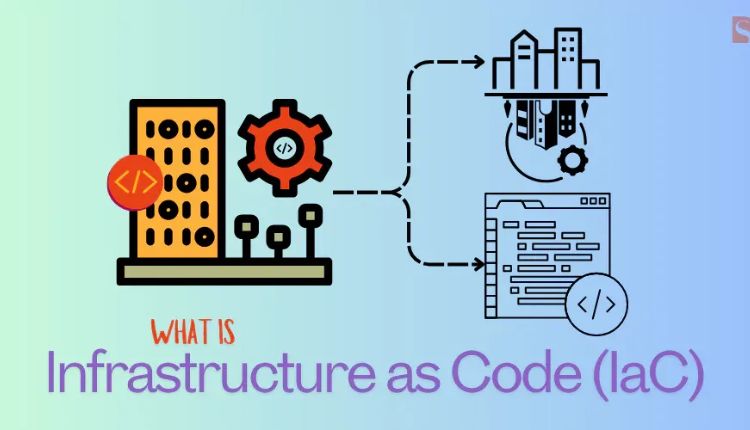
As Infrastructure as Code (IaC) becomes the backbone of modern deployment, idempotence ensures reliability amid constant change. It eliminates fear of redundancy, mistakes, or unexpected state drifts when scripts are executed repeatedly. In essence, it’s the quiet hero of infrastructure automation—keeping the system consistent, predictable, and trustworthy.
The Essence of Idempotence: Predictable Consistency
At its heart, idempotence means that repeating an operation doesn’t change the final state. Whether you execute your Terraform or Ansible script once or a hundred times, your infrastructure remains the same.
Consider a chef perfecting a recipe. Each time they cook, the outcome is identical because the ingredients, measurements, and steps never deviate. Similarly, in IaC, idempotence ensures every “run” of a configuration brings your system back to the desired state, without duplication or conflict.
This principle forms the foundation of modern DevOps automation. It prevents servers from being over-provisioned, configurations from overlapping, and environments from drifting apart—a crucial safeguard in large-scale distributed systems.
Automation Without Fear: Why Idempotence Matters
In the unpredictable ecosystem of continuous deployment, even a small misconfiguration can snowball into downtime or system failure. Idempotence acts like a reset button that aligns everything to its intended state.
It gives teams the confidence to run scripts as often as needed—whether for testing, patching, or scaling—without introducing inconsistencies. This consistency forms the backbone of disaster recovery and environment replication strategies.
Students enrolled in a DevOps course in Hyderabad often learn that idempotence is not just a coding concept but a mindset—one that prioritises control, repeatability, and trust in automation pipelines. By mastering it, professionals can design infrastructure workflows that are resilient and easy to debug, even in high-pressure situations.
Tools That Enforce Idempotence in IaC
The beauty of idempotence lies in its integration across major IaC tools. Terraform, for example, uses state management to detect changes and apply only what’s necessary, ensuring no redundant actions. Ansible, on the other hand, checks before execution, confirming whether a task truly requires an update.
These tools act like meticulous planners—they assess the current situation before taking action. If the desired condition already exists, they simply move on. This eliminates repetitive or destructive operations, reducing errors and execution time.
However, idempotence doesn’t come automatically. Developers must structure playbooks, templates, and modules thoughtfully—using condition checks, dependencies, and clear state definitions to achieve truly idempotent behaviour.
The Discipline Behind the Principle
Idempotence is a practice rooted in discipline rather than chance. It requires a combination of well-structured code, proper state management, and version control. Teams that treat idempotence as an afterthought often face the chaos of drifted configurations or duplicate resources.
To maintain order, organisations adopt policies like immutable infrastructure, where environments are rebuilt from scratch rather than modified in place. This reinforces predictability and simplifies rollback processes when something goes wrong.
For learners pursuing a DevOps course in Hyderabad, understanding how to achieve idempotence in scripts isn’t just about following syntax—it’s about thinking systematically. It involves designing systems that heal, rebuild, and realign themselves automatically, much like a living organism maintaining its balance.
Conclusion: The Silent Guardian of Stability
Idempotence is more than a technical concept—it’s the quiet discipline that keeps DevOps automation running smoothly. Like a musician repeating a note until it sounds perfect, idempotent scripts play the same “tune” every time—stable, harmonious, and predictable.
In an age where infrastructure changes by the minute, idempotence ensures that every run of a script reaffirms control rather than chaos. For developers, engineers, and aspiring DevOps professionals, mastering this principle is a defining step toward building reliable automation pipelines that stand firm in the face of change.
By embracing the spirit of precision and repetition, DevOps teams not only ensure consistent infrastructure but also build trust in the very systems they automate.
